
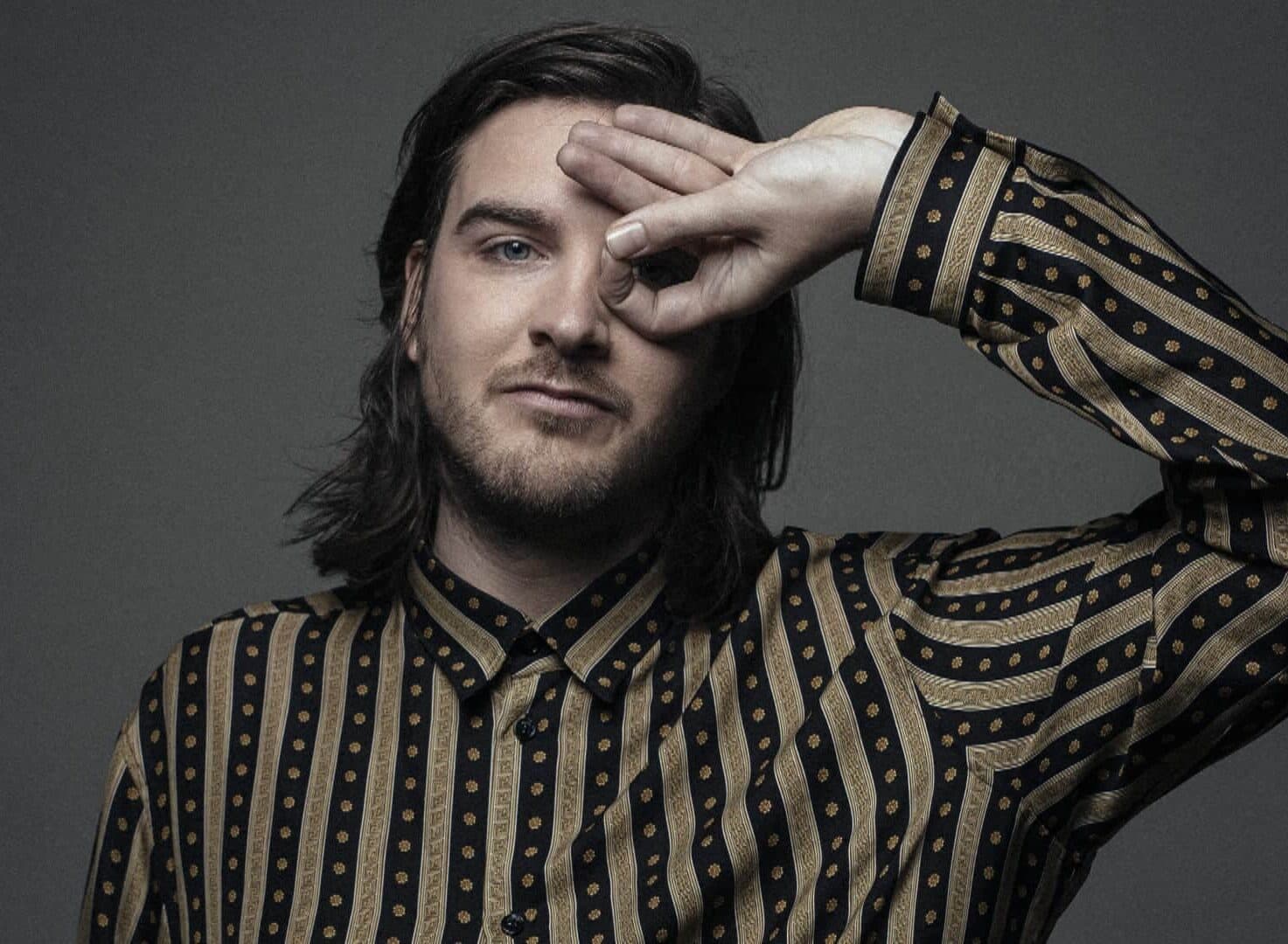
Dear reader, my name is Reinier Zonneveld and I’ve been making music since I was a little kid. Through piano and classical music I discovered early on the world of producing and recording music. Fast forward 30 years and I’ve been touring the world for over a decade, building my whole life around the thing I love most: making music and sharing it with people.
Unfortunately, a big shift in the music industry threatens the very thing I and so many people are working hard on every day: the creation of new music. Generative AI companies scraped the internet and took the ideas, recordings and copyright of artists and rightsholders and threw them into a machine learning system. The possibilities of GenAI are endless, and I’m actually a huge believer that it can achieve good things for music. But the current situation is flawed by design.
Some eight years ago I started experimenting with a dear friend, Cas Luuring, on the possibilities of GenAI and music. Since I have kept all of my (mostly crappy) recordings since I was a little kid, we had a lot of original training data to work with. This meant we could build the world’s first AI based on just a single artist’s work, which is able to play realtime back-to-back with me when I perform live on stage in 2024.
The whole process was an experiment, and we enjoyed exploring the possibilities of this new technology. At the same time with the AI boom and the rise of generative AI music, we saw early on a very alarming problem emerging. As you might know, more than 99% of musicians and recording artists make just enough to make ends meet, or work day jobs to be able to fund their love for creation and music. A lot of these artists for example appear in credits (or sometimes not) as writers, session musicians, guitarists, vocalists. These are people who have been honing a craft their whole lives.
As GenAI gets better and better, my fear is that these people, the foundation of the whole music world who turn new ideas into reality, will be out of business first. The speed with which GenAI can create ideas from your mind and put them out of your speakers, is unmatched, and the costs are way lower - at first glance.
If musicians are not compensated for the use of their works by generative AI, current musicians will lose their income, and future musicians might never be motivated to pursue their dreams. In my opinion, music is the foundation of culture and society. Letting one of humanity’s most inspiring and valuable assets erode due to a takeover of machine generated AI music would be a very grey future for everybody.
AI’s place in music is here to stay, that’s the future we all have to recognise. We shouldn’t feel bad about that - it can be a big help to artists when they’re writing or producing, or just coming up with new ideas. Maybe one day it could even help us to create a new kind of music altogether. For now, we just need to fix the broken link between artists and the AI trained on them, so that they can get paid again.
This is why we’ve built Gaslab. Generative AI Solutions, we want to show the world how we can do GenAI right and fix the system before it becomes so broken that there is no way back.
We’ve all seen that some GenAI platforms have signed deals with major rights holders so that they can now legally get hold of training data from the artists that have “opted in”. This is a massive improvement on the days when they were scraping the open web for training data. But I think they are still missing a much better way of doing things.
With Gaslab, artists and rightsholders become partial owners of the GenAI-created music, based on clear attribution.
We share our profit from the platform with the artists and rightsholders that we train on, and if an output from Gaslab gets used on radio, streaming or another source of income, we detect it, collect the money, and distribute it over the artists and rightsholders that deserve their slice of the income.
The result is a win for both creators and AI companies: we keep creators inspired to keep on creating, and at the same time make sure that AI companies get their new training data - as more people will likely opt in if they are sure that their rights are respected.